
Welcome! In this article, we will explore how you can use Tibetan singing bowls to achieve the best sound and how to incorporate them into your meditation and relaxation sessions. Here's a step-by-step guide:
Step 1: Preparing the environment
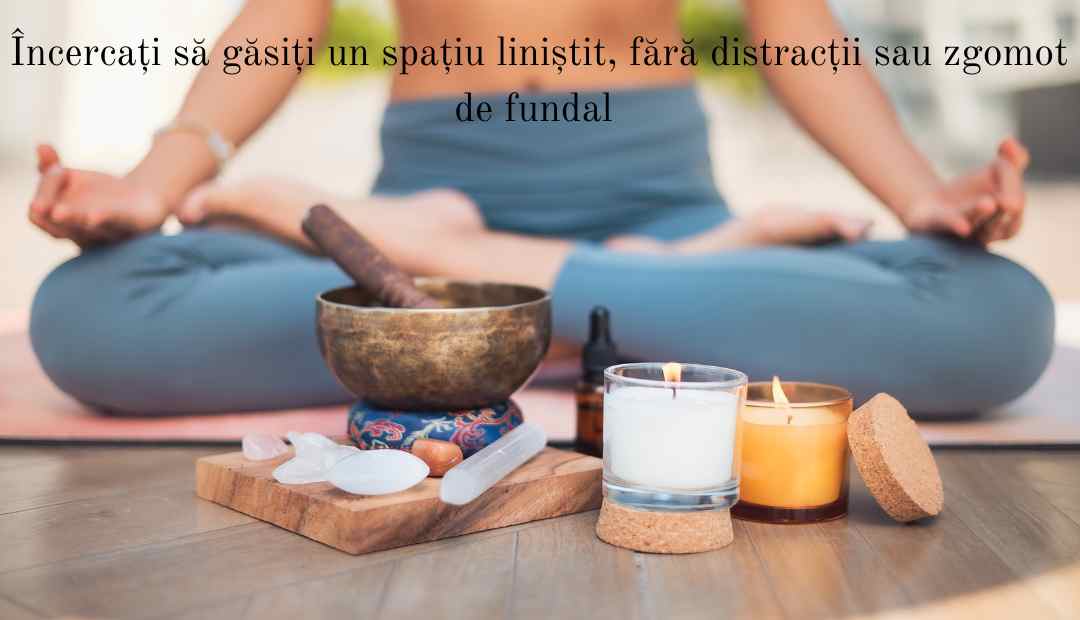
The first step in using a Tibetan singing bowl is preparing the environment where you will do so. Try to find a quiet space, free from distractions or background noise. This can be any room in your house, an outdoor space, or a meditation studio. Make sure the temperature is comfortable and that you are in a comfortable position, either sitting or lying down.
Step 2: Positioning the Tibetan singing bowl
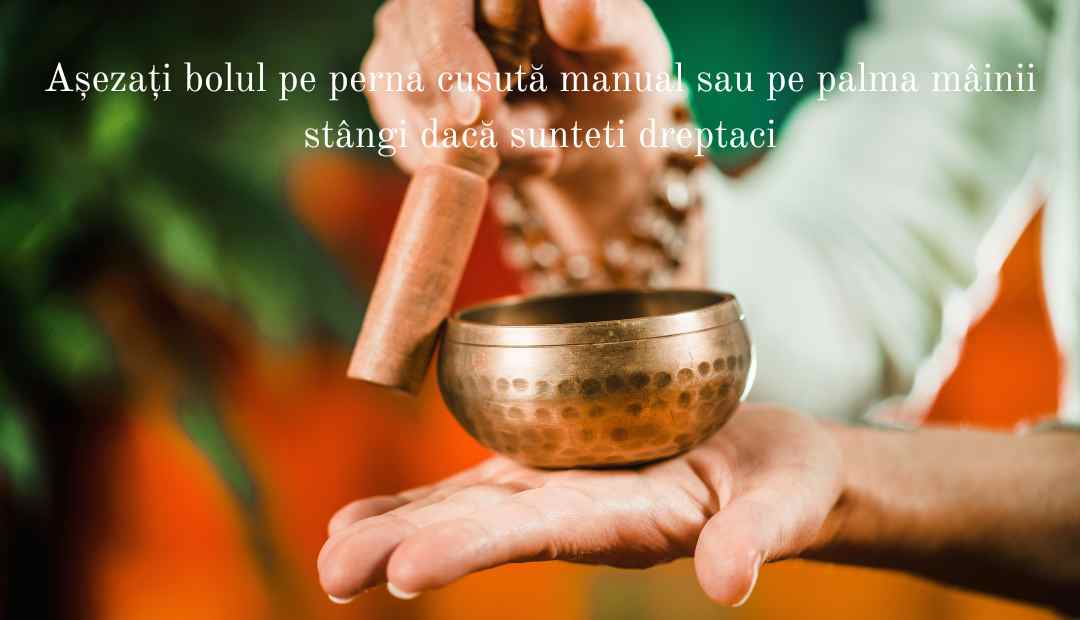
Once you have found a quiet space, it's time to prepare your Tibetan singing bowl. Place the bowl on the hand-sewn cushion or on the palm of your left hand if you are right-handed (or vice versa if you are left-handed), being careful not to cover it with your fingers. It needs to be free to vibrate, so the sound can be as pure as possible.
Step 3: Striking the bowl
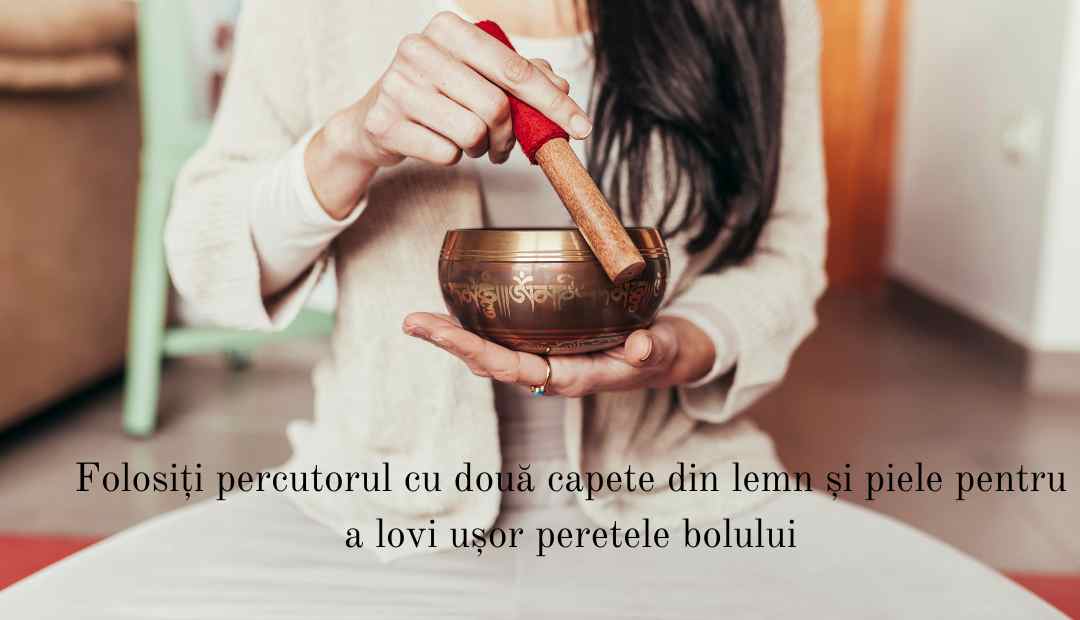
There are two main methods for producing sound from a Tibetan singing bowl: striking and rubbing. In the first method, use the two-ended wooden and leather mallet to gently strike the side of the bowl. The sound will begin immediately. Try to strike the bowl at a slight angle, not perpendicular to its side. This will minimize the striking noise and maximize the duration and quality of the sound.
Step 4: Rubbing the bowl
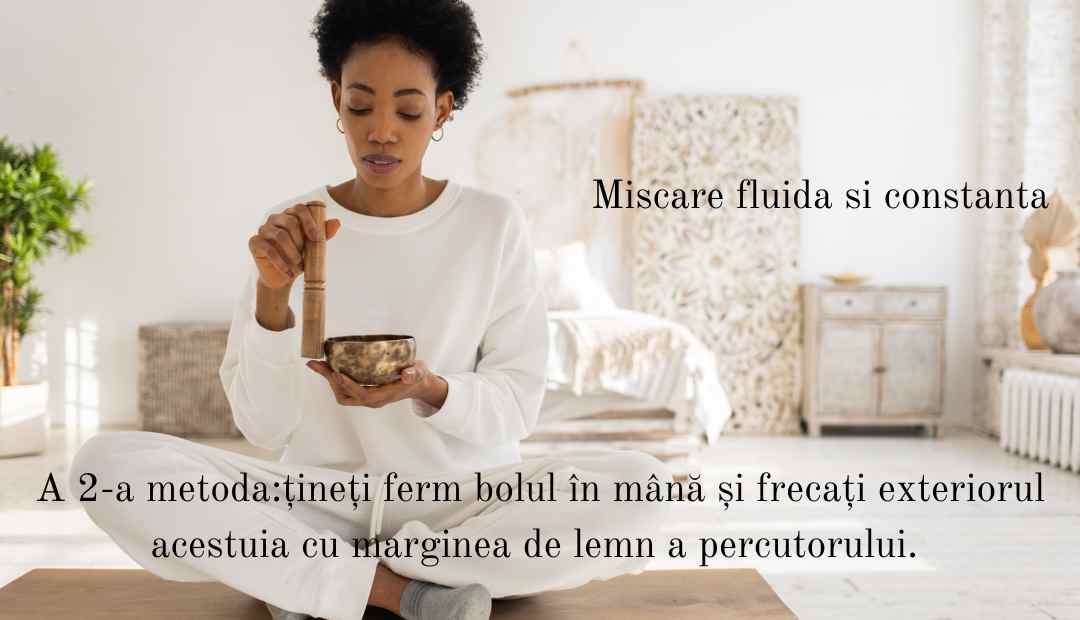
The second method for producing sound with a Tibetan singing bowl is rubbing. This process creates a longer, song-like sound. To do this, hold the bowl firmly in your hand and rub the outside edge with the wooden part of the mallet. The movement should be fluid and constant, as if you are drawing a circle around the outer rim of the bowl. This process will cause the bowl to vibrate and produce a deep, harmonious sound.
Step 5: The meditation exercise
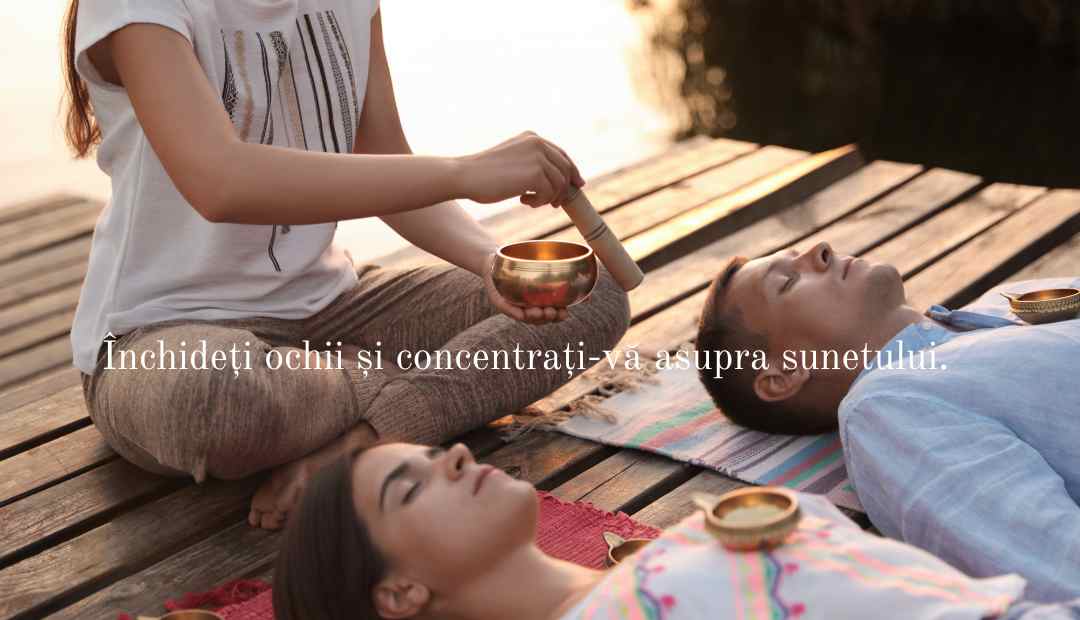
Once the sound is produced, let it fill your space and consciousness. Close your eyes and focus on the sound. Allow it to guide your mind into a deep meditative state, eliminating thoughts that may disturb you and letting only the sound of the Tibetan singing bowl exist in your mind.
Step 6: Ending the session
After you have finished your meditation, it is important to end the session in a calm way. Slowly stop rubbing or striking the bowl and allow the sound to diminish until it completely stops. This ending process will mark the conclusion of your meditation session and help you return to your normal state of consciousness in a calm and controlled manner.
Now that you know how to use a Tibetan singing bowl, you can begin to explore its benefits for meditation and relaxation. Try different methods of producing sound and see which one suits you best. With time, you will become increasingly experienced and will be able to use the Tibetan singing bowl to reach deep states of meditation and relaxation. Enjoy!


